


HOME | TEAM | NEWS | LEHRE | FORSCHUNG | PUBLIKATIONEN | STELLENANGEBOTE

Institutsleitung
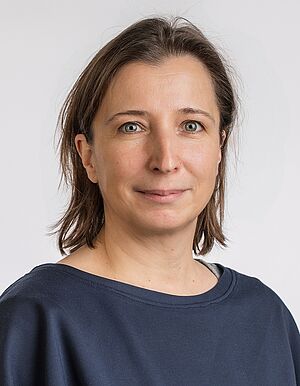
Maria comes from Germany and her major research interest focuses on unravelling the genetic underpinnings of plant adaptation to environmental challenges. Together with her team members she is exploiting natural genetic variation within the important crop plant barley (Hordeum vulgare), its wild progenitor Hordeum v. ssp. spontaneum and related wild Hordeum species to dissect the quantitative genetic basis of development in response to different environmental cues (abiotic stresses)
Sekretariat
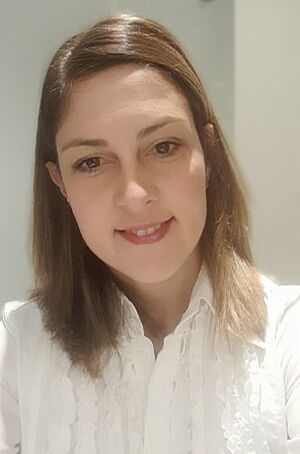
Bettina comes from Germany and completed an apprenticeship as a foreign language correspondent. She then worked for a number of trading companies as a secretary and accounting assistant. In 2020 Bettina joined the HHU. She is responsible for all administrative tasks in our team and gives support whenever help is needed
Wissenschaftliche Mitarbeiterin
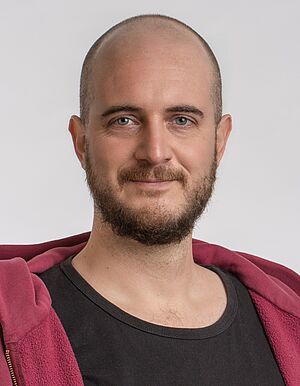
Maria comes from Spain and studied Biochemistry and Molecular and Cell Biology at Zaragoza. At the Ruhr-Universität Bochum she was responsible for the development of an integrative molecular-functional understanding of the interactions of plants with their environment. Maria supports the Plantgen Institute with regard to teaching and student supervision.
Wissenschaftlicher Mitarbeiter
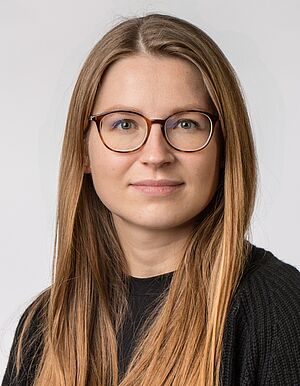
Timo comes from Germany and is interested in evolutionary genetics of wild plants. Within the CRC TRR341 “Plant Ecological Genetics”, he explores the adaptive diversification of annual and perennial wild Hordeum species.
Wissenschaftliche Mitarbeiterin
Gesa comes from Germany and is interested in the genetic regulation of reproductive development in barley. She focusses on the characterization of already known central flowering time regulators and on the identification of new candidate genes that also affect development in varying photoperiods

Wissenschaftliche Mitarbeiterin
Tianyu comes from China and is interested in the molecular basis of reproductive development under high ambient temperatures in barley
Wissenschaftlicher Mitarbeiter
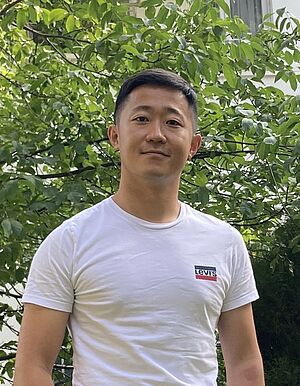
Shanda comes from China and completed his doctoral thesis in Natural Sciences at the MPIPZ in Cologne. Before joining our group he has worked as a Senior Plant Researcher in a private company. Shanda supports our work by developing new genome editing and transformation technologies in barley and related wild grasses. He will contribute to our ERC financed PERLIFE project and engineer barley lines with altered longevity.

Wissenschaftlicher Mitarbeiter
Chandar comes from India and works in the DFG-funded research unit "Cereal Stem Cell Systems" to explore the initiation, maintenance and termination of inflorescence meristems in barley. He identifies and explores molecular players like hormones and genes that influence inflorescence, spikelet and floral meristem development. He is also interested in understanding the mechanism of barley spikelet fertility and grain development in high ambient temperatures
Wissenschaftliche Mitarbeiterin
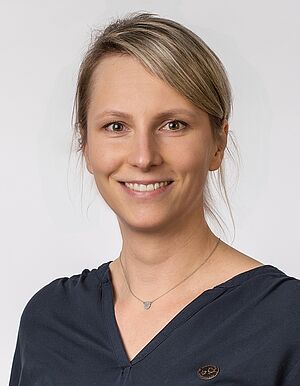
Agatha comes from Germany and investigates the molecular basis of shoot architecture development in barley. By combining induced and natural variation with NGS sequencing, she aims to identify key genes governing shoot architecture traits such as tiller number and spike branching
PhD Student
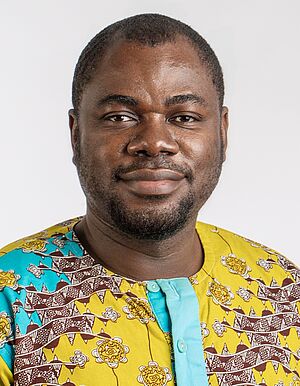
Michael comes from Ghana and is interested in understanding adaptive trait variation within and between species of the grass genus Hordeum. Within the ERC-funded project PERLIFE, he combines field and greenhouse experiments to study natural genetic variation in growth and developmental dynamics, physiology and metabolism in wild annual and perennial Hordeum species under favorable and abiotic stress conditions.
PhD Studentin
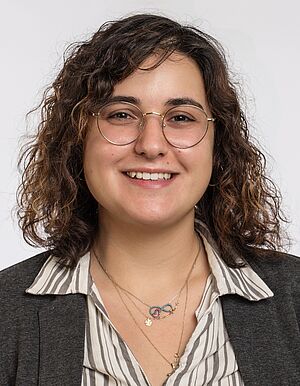
Kumsal comes from Turkey. She is interested in understanding how major flowering pathways, hormone and metabolite networks connect to each other to regulate plant growth, spike development and fertility in barley under high ambient temperatures
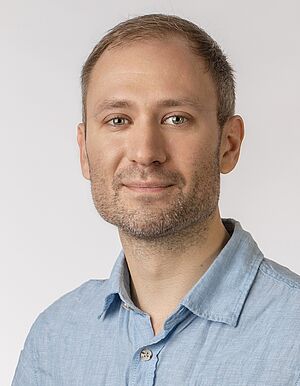
PhD Student
Einar comes from Iceland and is interested in the genomics of wild relatives of barley. For the ERC-funded project PERLIFE he generates genomic resources of multiple annual and perennial Hordeum species and is keen to discover genetic differences linked to life-history variation and adaptation to diverse environments
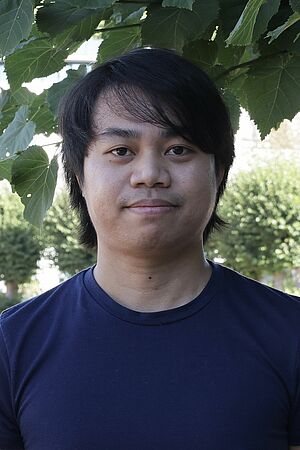
PhD Student
Sandy comes from the Philippines. He is passionate about plant genetic resources conservation and sustainable use, especially with crop wild relatives. Currently, he is working on deciphering the ecological and genetic adaptation of Hordeum murinum to changing environments as part of the ERC-funded project PERLIFE
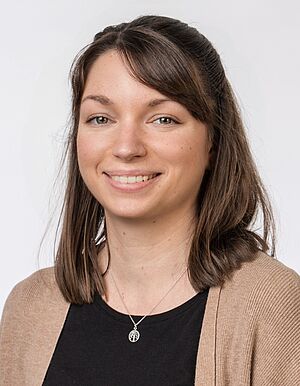
Technische Assistentin
Nina is from Germany and supports plant and molecular work within the ERC-funded project PERLIFE. She is involved in cultivating and scoring wild annual and perennial Hordeum species and supports harvesting and processing plant samples for analyzing genetic and expression diversity in wild Hordeum species
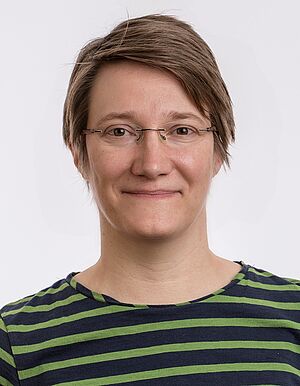
Technische Assistentin
Gabi comes from Germany and works in the DFG-funded research unit "Cereal Stem Cell Systems" to explore the initiation, maintenance and termination of inflorescence meristems in barley. She is responsible for the generation of transgenic barley lines to study the molecular control of different barley meristems
Technische Assistentin
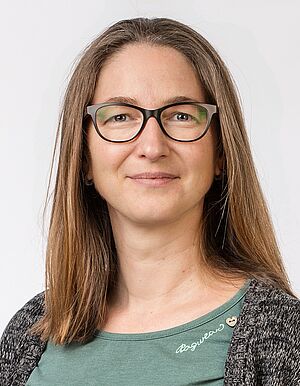
Thea comes from Germany and did her apprenticeship at the HHU. She then started to work in a biotechnology company as a technical assistant but eventually decided to return to HHU to work together with students. She has a lot of experience in molecular biology methods and supports our team with all upcoming work in the lab
Technische Assistentin
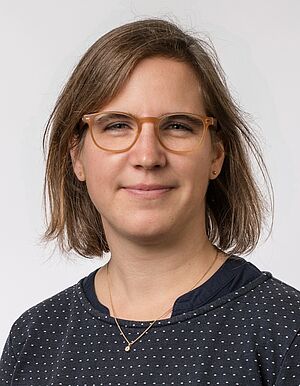
Rebekka comes from Germany and organises plant cultivation within the group. Besides assisting with plant work, crosses of annual and perennial wild Hordeum species are also part of her work
Alternativ erreichbar unter Tel. +49 211 81-13374
SHK
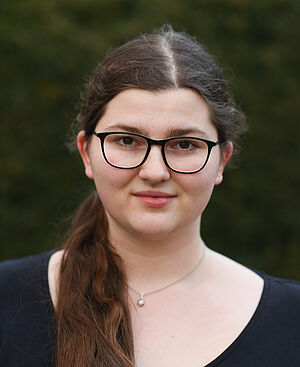
Marlene comes from Germany and supports the cultivation, scoring and harvest of wild Hordeum plants grown in outdoor experiments in the botanic garden at the HHU
SHK
Nida supports the cultivation, scoring and harvest of wild Hordeum plants grown in outdoor experiments in the botanic garden at the HHU.
SHK
Annabelle comes from Germany and supports the cultivation, scoring and harvest of wild Hordeum plants grown in outdoor experiments in the botanic garden at the HHU.
Institutsleitung
Etage/Raum: 01.044
40225 Düsseldorf
Sekretariat
Etage/Raum: 01.043